


HUMAN-LED. AGENT-ASSISTED.
Meet the SecOpsMate AI Editorial Team
SecOpsMate is my personal cybersecurity knowledge platform. I set its direction, create and shape its analysis, and approve everything that is published.
Around that human responsibility, I use AI-assisted approaches to research, organize, test, and prepare knowledge work. This page presents those capabilities through a coordinated team of specialized AI agent personas, each with a defined mission, handoff, and boundary.
Meet Emma and the roles that make this operating model easier to understand.
Leadership and orchestration
Human direction. Coordinated assistance.

The human in charge
Sameh Younis
Founder, Editorial Director and Accountable Publisher
I define SecOpsMate’s mission, decide which questions deserve attention, interpret the evidence, shape the final point of view, and approve every published item. AI can broaden my field of view, challenge assumptions, and accelerate parts of the work. It does not take ownership of my judgment, authorship, or accountability.
Operating question
What will genuinely help a security leader or practitioner understand this subject and act with greater confidence?
Output
The final editorial decision and the content that carries my name.

The orchestrator
Emma
Editorial Orchestrator AI Agent
Emma represents the coordinating intelligence of the model. She translates an editorial objective into a plan, routes work to appropriate specialists, manages dependencies, compares outputs, identifies contradictions, and returns a coherent recommendation for my review.
Operating question
What work must happen, in what order, and which agent is best placed to perform it?
Typical output
A coordinated work plan, consolidated findings, unresolved questions, and a recommended next action.
Boundary
Emma can coordinate, compare, and recommend. She cannot provide final editorial approval or publish independently.
Specialized capabilities
Meet the specialist agent personas
These roles work across all six Knowledge Hubs. The Hubs organize subject matter. The agent personas describe the capabilities that may discover, test, organize, explain, prepare, and govern knowledge.
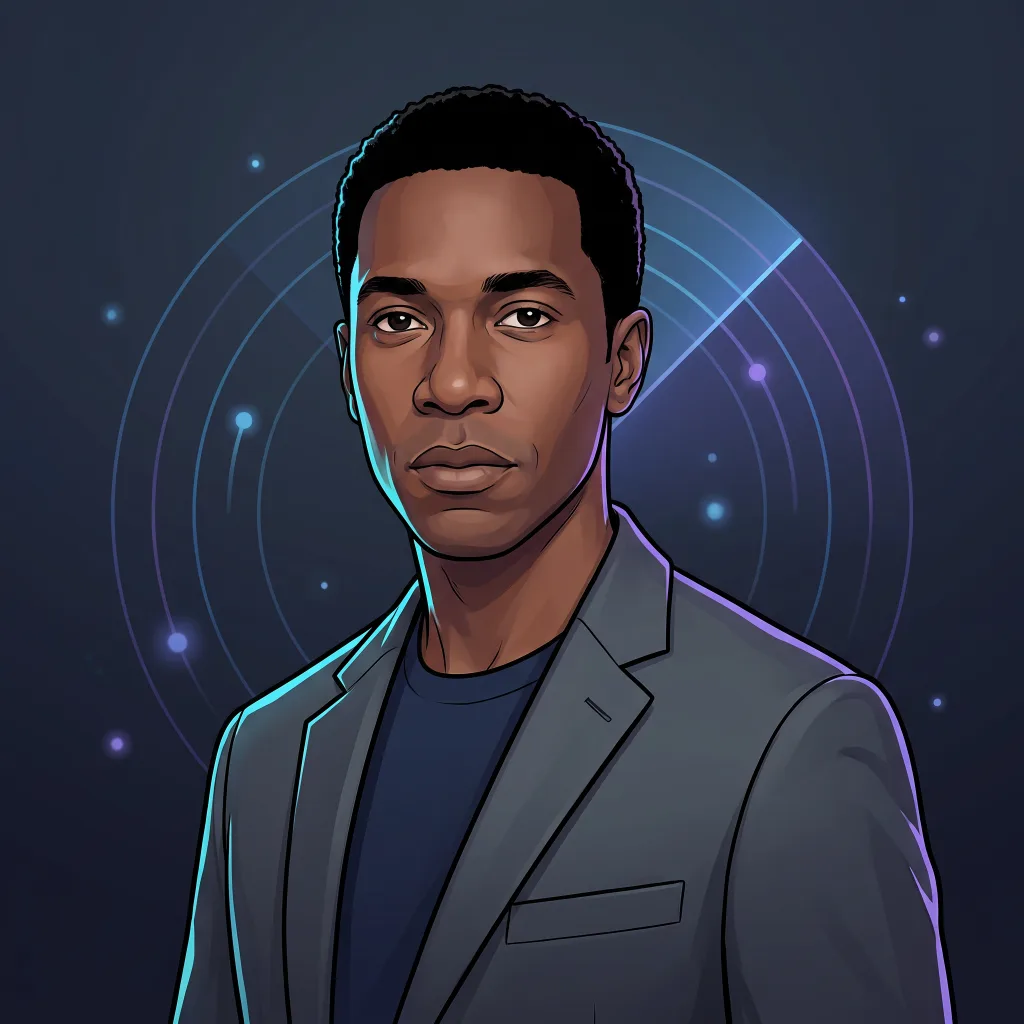
Alex
Discovery and Signals AI Agent
Alex scans approved information sources for meaningful change across product announcements, official documentation, training, regulation, research, and selected cybersecurity resources. The role is not to collect every new link, but to separate useful signals from repetition, promotion, and noise.
Operating question
What changed, and is it relevant to the SecOpsMate audience?
Typical output
A prioritized discovery brief with candidate subjects, source links, dates, and relevance.
Boundary
Visibility is not credibility. Every source still needs validation before it influences published content.

Nadia
Knowledge Curation AI Agent
Nadia turns isolated resources into connected knowledge. She proposes where validated material belongs across the six Knowledge Hubs, applies consistent categories and metadata, connects related resources, identifies duplication, and suggests what a reader should explore next.
Operating question
Where does this belong, how does it relate, and what should the reader explore next?
Typical output
Recommended Hub placement, categories, tags, related links, and a reader journey.
Boundary
Uncertain material is not forced into a category or changed merely to fit the taxonomy.

Vera
Evidence and Freshness AI Agent
Vera tests the evidence behind a proposed statement or resource. She examines source authority, publication date, version context, supporting material, conflicting information, and whether something once valid may now be incomplete or outdated.
Operating question
What supports this, how current is it, and what remains uncertain?
Typical output
An evidence and freshness assessment with sources, conflicts, limitations, and open questions.
Boundary
When the evidence is insufficient, the correct result is uncertainty or escalation, not plausible completion.

Maya
Content and Visual Storytelling AI Agent
Maya helps turn dense technical material into a clear narrative. She proposes article structures, concise summaries, diagrams, infographics, visual metaphors, and alternative formats for different audiences, with accessibility considered from the beginning.
Operating question
How can this become easier to understand without becoming less accurate?
Typical output
A narrative outline, visual concept, infographic structure, summary options, and alternative text.
Boundary
Presentation can clarify evidence. It cannot replace evidence or disguise uncertainty.
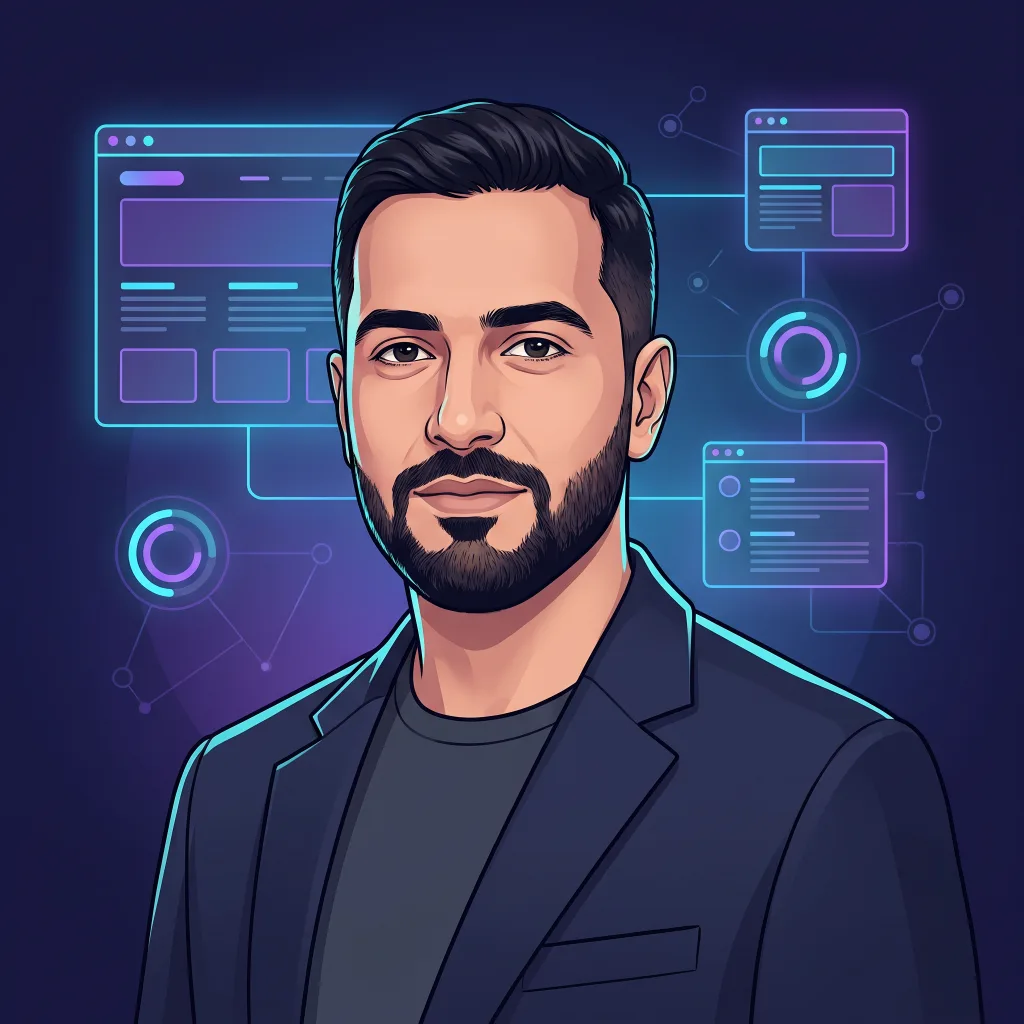
Leo
Web Experience and Operations AI Agent
Leo prepares information for a usable and reliable digital experience. He reviews page structure, navigation, links, metadata, accessibility, mobile presentation, content freshness, and the publication checklist, while looking for broken or confusing reader journeys.
Operating question
Can the reader find, understand, and use this information easily?
Typical output
A publication-ready page package, metadata review, usability recommendations, and quality checks.
Boundary
Leo can identify issues and prepare changes. Production actions remain controlled and reviewed.
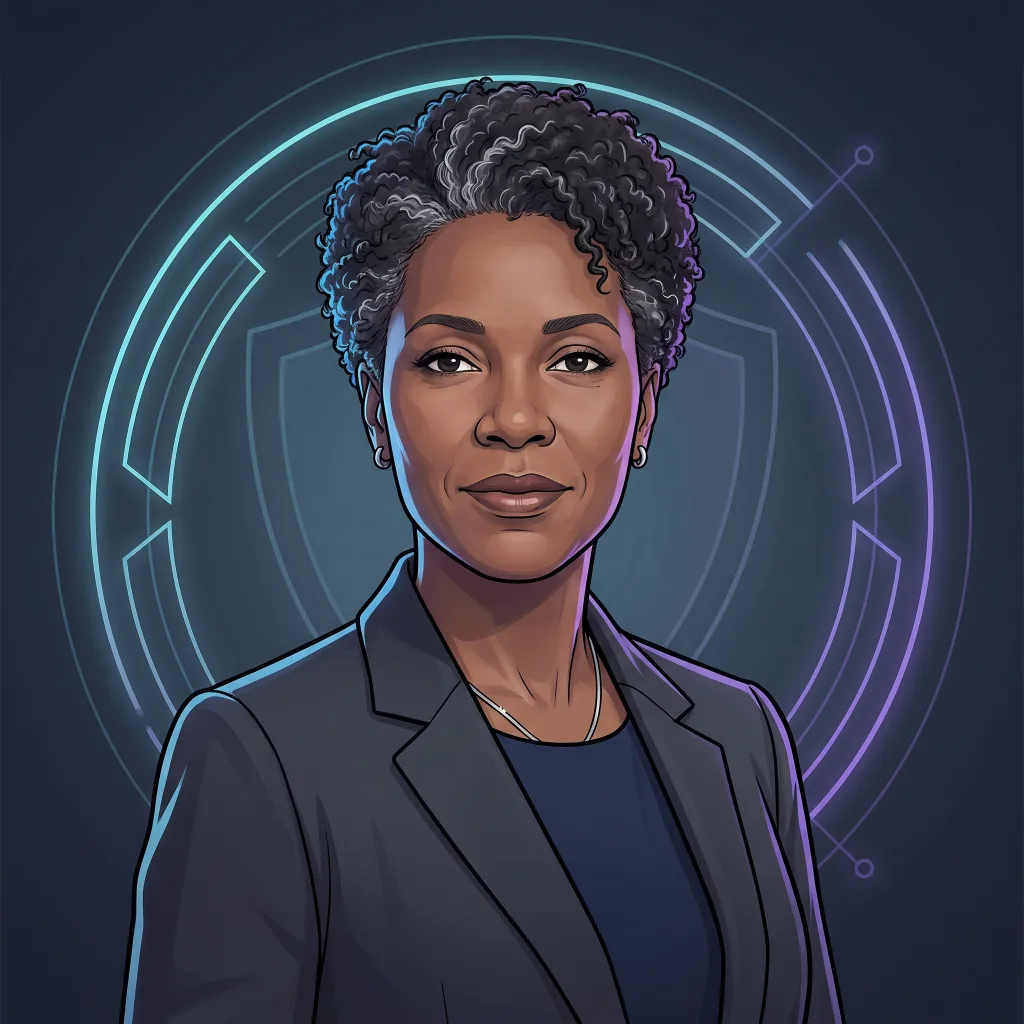
Grace
Governance, Security and Rights AI Agent
Grace examines what the team is authorized to do. She considers permissions, privacy, information boundaries, intellectual property, source-use restrictions, security implications, and the evidence that should remain when an action is taken.
Operating question
Should this action be allowed, under what authority, and how would we prove what happened?
Typical output
A governance and rights assessment, required controls, unresolved risks, and escalation advice.
Boundary
When authority, ownership, or risk is unclear, the correct output is escalation, not improvisation.
From intent to experience
How the team works together
1
Direction
I define the outcome, audience, editorial boundaries, and decisions that must remain human.
2
Orchestration
Emma decomposes the objective, selects specialists, establishes sequence, and coordinates handoffs.
3
Discovery
Alex identifies timely signals, candidate sources, and subjects that may deserve attention.
4
Assurance
Vera tests evidence and freshness. Grace examines authority, rights, boundaries, and risk.
5
Curation and creation
Nadia connects validated material to Hubs and journeys. Maya shapes narrative and visual clarity.
6
Digital preparation
Leo prepares structure, metadata, accessibility, navigation, and publication checks.
7
Human decision
I review evidence, resolve disagreements, revise the work, and decide what is published.
8
Continuous learning
Feedback, freshness signals, new developments, and gaps become inputs for the next cycle.
This is an illustrative collaboration model. The technologies, tools, and workflows used for a particular activity may vary.
Accountable autonomy
Agentic does not mean unattended
The objective is not maximum autonomy. It is useful autonomy inside clearly defined boundaries.
AI agents can assist with
- Expanding the field of view and finding signals
- Comparing, organizing, and classifying information
- Preparing drafts, structures, and alternatives
- Identifying inconsistencies and uncertainty
- Testing freshness, accessibility, and completeness
- Preparing work for human review
The human owner retains responsibility for
- Purpose and editorial direction
- Interpretation and professional judgment
- Claims made to the audience
- Security, risk, rights, and exceptions
- Final approval and publication
- Accountability when something is wrong
The handoff is part of the design.
The approval point is part of the control.
Retained evidence makes the system governable.
A broader invitation
Design your own agent team
SecOpsMate is only one example. A teacher, photographer, lawyer, or small business owner could define a different orchestrator and specialist team. The domain changes, but the design questions remain remarkably similar.
Begin with one recurring outcome. Define one orchestrator and three specialist agents. For each role, identify its mission, inputs, approved information, tools, permissions, expected output, handoff, escalation conditions, and human owner.
Your first agent team can exist on paper before it exists in software. Automate only what you can explain, constrain, observe, and govern.
Questions worth answering
- What outcome are we trying to improve?
- What should the orchestrator coordinate?
- Which specialist roles need separate context?
- What information and tools may each role use?
- Where must a human approve or resolve disagreement?
- What evidence should remain after the work?
Explore the human-led mission
